



Andres Iniesta Retires From Football: A Legendary Career Comes to an End
Andres Iniesta, widely regarded as one of the greatest midfielders of all time, officially retires from professional football. At 40 years of age, the man who famously scored the winning goal in the 2010 World Cup final against the Netherlands has decided to hang up his boots. This decision marks the end of an era for a player whose career has left an indelible mark on both Spanish and global football. According to the prestigious Relevo, Iniesta will make the decision official on the 8th, like his number.
A Career Full of Glory
Andres Iniesta's retirement is a significant moment for football. He started his professional career at Barcelona, where he became a cornerstone of the team's golden era. Throughout his time with the club, Iniesta won everything there was to win: four Champions League titles, nine La Liga titles, six Copa del Rey titles, and multiple European Super Cups and Club World Cups. His partnership with Lionel Messi and Xavi Hernandez was at the heart of Barcelona's dominance during the late 2000s and early 2010s.
However, Iniesta’s most iconic moment came in South Africa during the 2010 FIFA World Cup final, where he scored the winning goal in extra time against the Netherlands. That strike secured Spain’s first-ever World Cup trophy, etching his name in football history forever. His goal not only brought glory to La Roja but also united millions of Spaniards in celebration.
Why Did Andres Iniesta Retire?
For those wondering, "Did Andres Iniesta retire?" or "Is Andres Iniesta retired?" the answer is now official. Although Iniesta expressed a desire to continue playing and had been training in Dubai while searching for new opportunities, his body had started to show signs of wear and tear, leading to this decision. In recent interviews, Iniesta stated, “I would like to continue playing until I feel the time is right to stop.” That time has now come, and the football world will pay tribute to a true legend.
Iniesta’s Achievements with Spain
Iniesta was not only a giant at Barcelona but also with the Spanish national team. In addition to the World Cup, he played a crucial role in Spain’s back-to-back European Championship victories in 2008 and 2012. In fact, he was named the MVP of the 2012 tournament, further solidifying his legacy as one of the all-time greats. His composure on the ball, vision, and ability to control the tempo of a match set him apart from his peers.
What’s Next for Andres Iniesta?
As for his future, Iniesta has expressed interest in pursuing a coaching career. Although no plans are confirmed, there is speculation that he could return to FC Barcelona in a coaching or ambassadorial role. When asked about his possible return to the club, Iniesta said, “Obviously, I would like to return to Barça at some point in my life, but I don’t know when or how.”
His passion for the game suggests that his post-playing days will likely be just as impactful, possibly mentoring future generations of footballers. Iniesta's retirement doesn’t mean his influence on the game will disappear; in fact, it may signal the start of a new chapter in football management.
Legacy of Andres Iniesta
As Andres Iniesta retires, a golden chapter in football history closes. His achievements on the pitch speak for themselves, but it is his humility, sportsmanship, and dedication to the game that truly set him apart. His incredible ability to perform under pressure, especially in big games, made him one of the most reliable players of his generation.
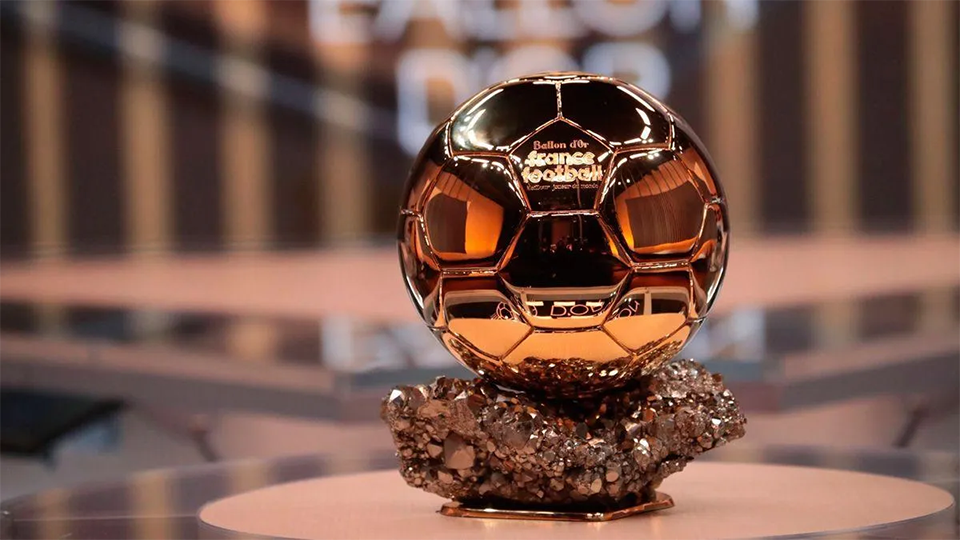
Iniesta may have never won a Ballon d’Or, but his influence on football is undeniable. His retirement is an opportunity to reflect on his contributions to the sport and the joy he brought to fans around the world. As he transitions into the next phase of his career, Andres Iniesta will forever be remembered as a footballing icon.