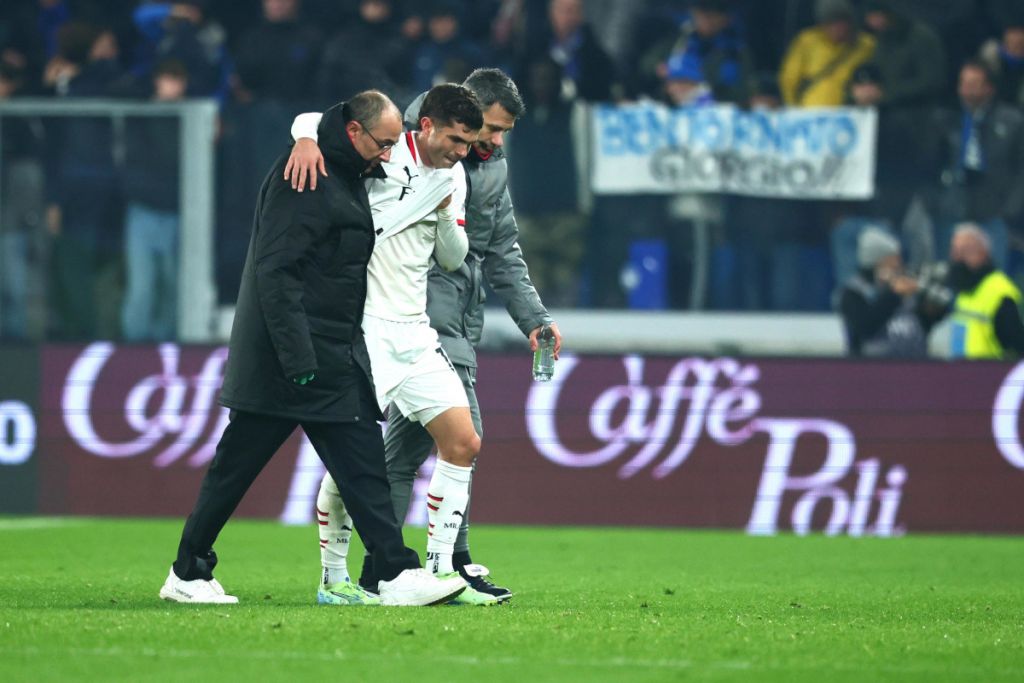




Reece James suffers new injury before Leicester match.
Reece James, Chelsea’s star right-back and team captain, has suffered another setback with a fresh hamstring injury, confirmed by manager Enzo Maresca ahead of the Premier League clash against Leicester City. The Blues, currently third in the league, face a critical stretch of the season, making James’ absence a significant concern. This article explores the latest updates on James’ condition, the implications for Chelsea, and expert insights into managing recurring injuries in athletes.
The Injury Details
During a press conference on Thursday, Maresca shared that James felt discomfort in his hamstring during training earlier in the week. Chelsea has opted not to risk him for the weekend game against Leicester, with Maresca stating:
“It’s a muscular problem. Hopefully, it’s not something long. At the moment, we don’t know how long he will be sidelined.”
James, who has already missed much of the season due to a prior hamstring injury, has only managed four appearances this campaign, totaling 241 minutes. While the timeline for his return remains uncertain, Maresca hinted that James might not be available for upcoming games, including their UEFA Europa Conference League fixtures.
The Impact on Chelsea
James' absence is a blow to Chelsea’s defensive stability and leadership on the pitch. Known for his versatility, crossing ability, and defensive prowess, James’ contributions are pivotal to Chelsea’s style of play. With matches coming thick and fast, Maresca will need to rely on other options, such as Malo Gusto or even a tactical shift, to cover the void left by James.
The Blues have been in fine form under Maresca, but this injury will test their squad depth, especially as they gear up for crucial fixtures in domestic and European competitions.
Expert Insights on Recurring Hamstring Injuries
Recurring hamstring injuries, as seen with James, can be challenging to manage. According to Dr. John Brooks, a sports injury specialist:
“Hamstring injuries are notorious for reoccurrence, especially in athletes who face a high workload and explosive movements. Proper rehabilitation, combined with strength and flexibility programs, is key to reducing the risk of re-injury.”
Chelsea’s medical staff will need to carefully assess James’ recovery plan to avoid further setbacks. Dr. Brooks also emphasizes mental resilience, highlighting the psychological toll recurring injuries can take on athletes.
What’s Next for Reece James?
James’ ability to bounce back from injuries will play a significant role in Chelsea’s season and his future as a leader of the squad. For now, fans and teammates alike will hope for a swift recovery.
In the meantime, Chelsea must adapt and focus on maintaining their form without their captain. With fixtures against Aston Villa and critical European games looming, the Blues face a challenging test of their resilience.